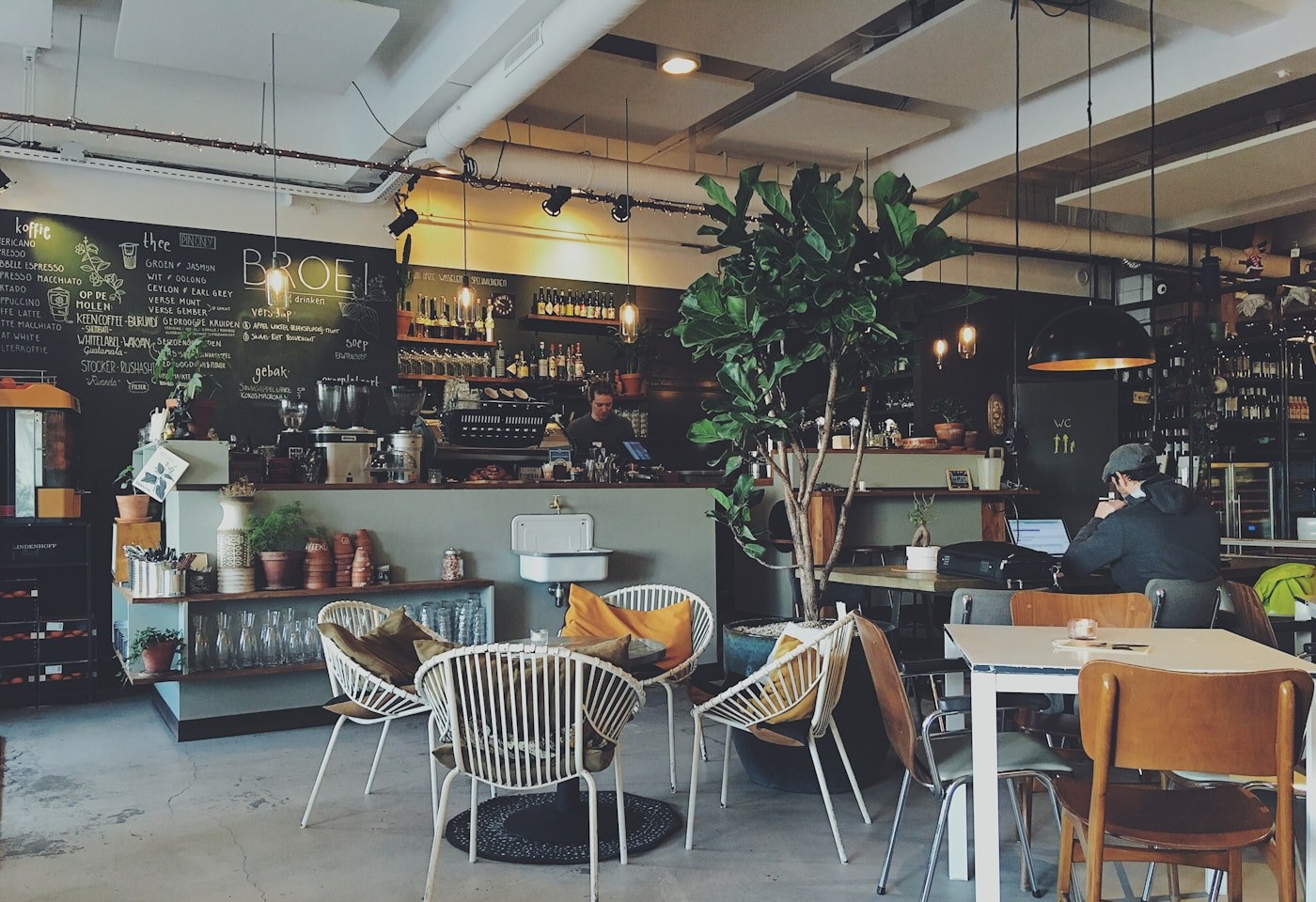
The uncle already has my cup out when I push through the plastic strip curtain.
Not because we spoke — we did not. Because this is the sixth morning this month I have arrived at roughly the same minute, and the kopitiam at Yew Tee runs on patterns the way old lifts run on maintenance schedules: quietly, reliably, without announcement. He pours kopi o kosong into the thick glass, sets it on the counter with a saucer that has a hairline crack near the rim, and turns back to the kettles without waiting for my thank you. I like that. It saves us both from performing gratitude before the day has earned it.
The shop is half-lit — fluorescent tubes warming up, one corner still dim. Two uncles at the far table read the papers in the particular silence of men who have finished their first round of conversation for the day. A auntie wipes a table that is already clean. The toast station has not started its full output yet; you can still hear individual clicks of the spring-loaded bread holder rather than the continuous rhythm of peak hour.
I take the stool facing the service lane, where I can see the footpath toward the LRT without being in it. This is the footprint I mean — the small indent in the morning before the platform fills. By 7.40 the students arrive in clusters, earphones in, shoes quick on the tile. By 8.00 the commuters who work in Jurong or the city begin their transfer dance at the interchange. But at 6.55, when I sit here, the LRT side of the estate still holds its breath. Buses pass with empty upper decks. A cleaner hoses the void deck across the road, the water fanning out in a grey sheet that catches the early light and throws it back flat.
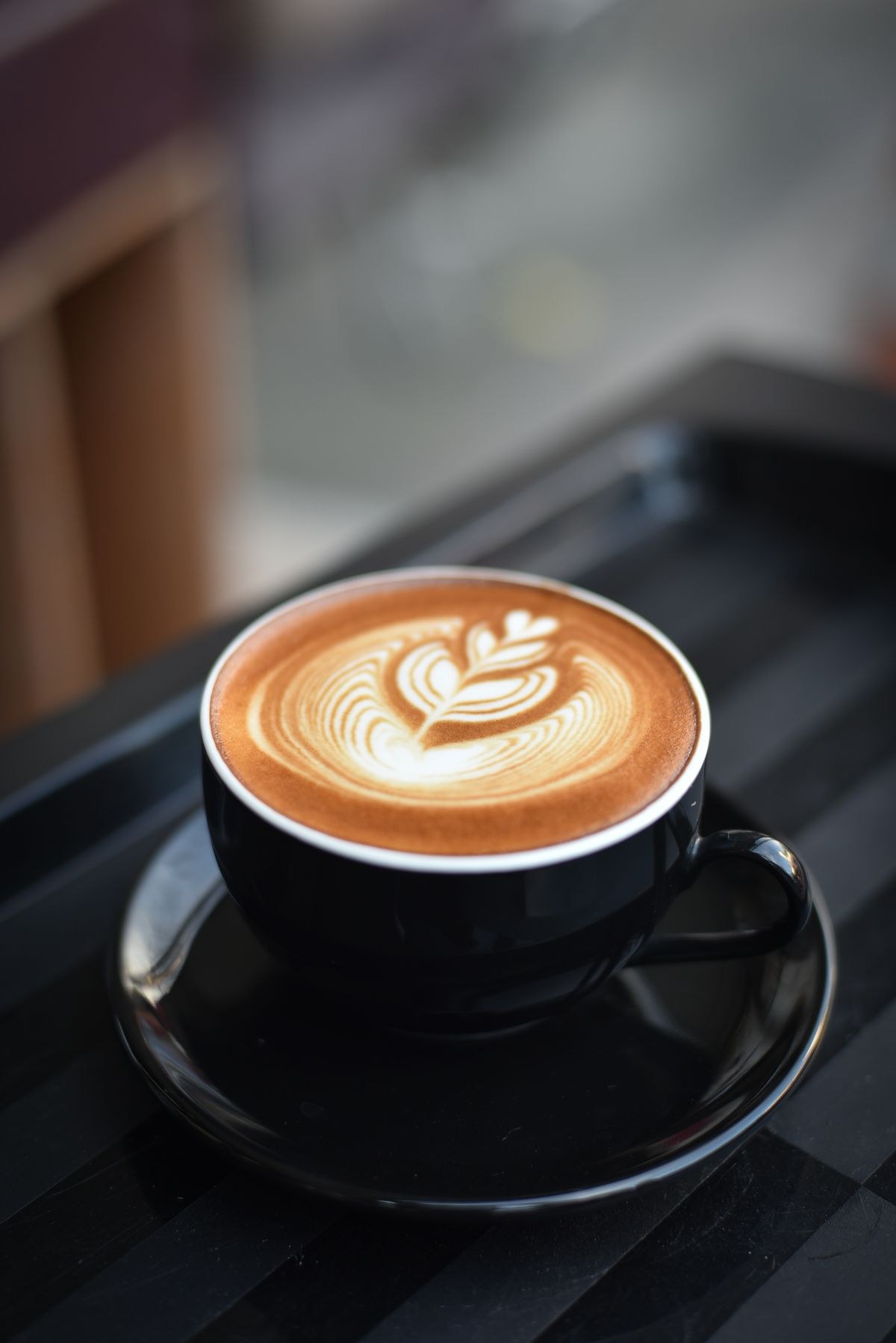
The kopi is hot enough to require patience. I wrap both hands around the glass and let the heat enter my palms first, a small transfer I have repeated so often it feels like a handshake with the morning itself. The taste is bitter, clean, slightly burnt at the edge — the way this uncle brews it, in a sock filter that has seen more mornings than I have. I do not think of it as ritual. Ritual implies ceremony. This is closer to punctuation: a full stop before the first sentence of the day begins elsewhere.
Through the window I watch a secondary school boy hesitate at the bus stop, checking his phone, then checking it again as if the screen might produce a different answer. An old man crosses with a trolley bag of marketing leaflets he will never read. The grass strip between pavement and road holds last night's litter — a straw wrapper, a receipt — small traces of other people's footprints already fading in the foot traffic to come.
I finish the kopi in four swallows, the last one always too hot, always worth it. I leave three dollars on the counter — we stopped counting exact change months ago — and step back into the lane. The plastic curtain slaps behind me. The uncle is already pouring for someone else, or for no one, keeping the kettles ready.
When I reach the LRT station five minutes later, the gates are open but the platform is still sparse — a handful of early shifts, a delivery rider sitting on the bench with his helmet on his lap. I tap in, stand behind the yellow line, and feel the day begin its proper acceleration. The kopitiam footprint closes behind me. It will reopen tomorrow the same way, if I am there to meet it.
I board when the train arrives — not the first car, not the last, the one I always pick without thinking about why. The doors sigh shut. Yew Tee recedes. The cup is empty but the heat lingers in my palms a little longer than it should.