The chair is positioned so the corridor light falls on the left page and not on my face.
This matters because the window faces the common corridor, not the avenue, and at night neighbours pass on their way to the lift or the bins with the unselfconscious quiet of people who believe no one is watching. I am watching, but obliquely — through the reflection in the glass, through the sound of footsteps, through the way the lamplight from the ceiling outside shifts when someone walks under it. The chair placement is a compromise between seeing and being seen, worked out over months of trial and small adjustments. One inch closer to the glass and I feel exposed. One inch back and the page goes dim.
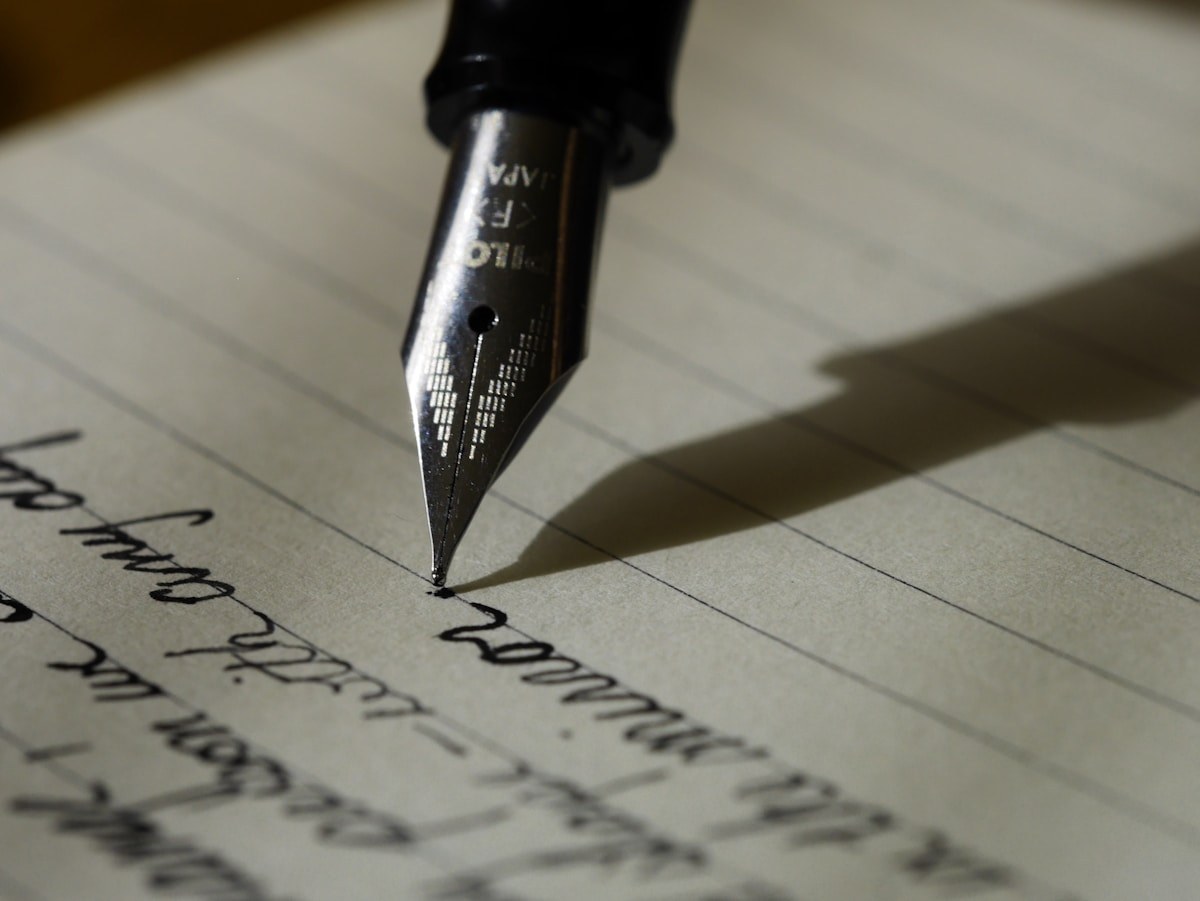
The ritual is simple and has not changed since I started it last year: after washing up, after the phone is plugged in across the room, after the flat has settled into its late-evening sounds — the distant television, the lift motor, the occasional dog on a lower floor — I sit down with the notebook and write one line. Not a summary. Not a diary entry in the conventional sense. One line that holds whatever the day left in my hand, like picking up a thread from the floor and deciding whether it belongs to something worth mending.

Tonight the line was: Egrets do not check the water quality before they stand in it. A leftover from the park connector walk three days ago, still turning in my head. Some nights the line is plain — Uncle forgot sugar again, I drank it anyway — and some nights it is a question I do not answer on the page. The rule is one line only. The constraint is the point. If I allowed myself three paragraphs, I would perform instead of notice. The single line forces compression, and compression sometimes reveals a seam I would have walked past in longer form.
The notebook itself is nothing special — A5, ruled, bought from the stationery shop at the market for two dollars forty. The cover is scuffed where my thumb rests when I write. The margin on the left has a faint rose-coloured line I drew with a ruler and a coloured pencil because the printed margin felt too narrow for the asides I sometimes cannot fit in the main line and squeeze into the side instead. Those asides are smaller, bracketed, almost ashamed of taking space. They are often the truest part.
When the line is done, I close the notebook and set the pencil parallel to the spine — a small alignment that satisfies something in me I do not examine too closely. I turn off the desk lamp. The window goes dark except for the corridor light and the blocks beyond, windows scattered with late screens and early sleepers. I sit for one minute more in the dark chair, not meditating — I am not disciplined enough for that word — just pausing before standing, the way you pause at a doorway when you forget what room you were heading to and then remember.
The last page of this notebook is approaching. I can feel it in the thickness under my right hand, the way the spine resists slightly when I open near the back. I have a new notebook waiting in the drawer — same brand, same price, blank and stiff. I do not rush to finish the old one. The final page will get its line like any other night, and I will probably write something mundane because the significant days rarely announce themselves in advance. That is acceptable. The ritual is not about significance. It is about showing up to the window when the estate is softer and leaving a pencil mark before sleep takes the rest.
I stood, washed the cup I had forgotten on the sill, and switched off the corridor-side light. The notebook stayed closed on the desk. Tomorrow night the chair will be waiting, the lamplight ready, one line required. I can manage one line. Most nights, that is enough to feel the day has been acknowledged — not solved, not framed, just noted, in graphite, at the margin of the glass.